
Flood Support Resources for Housing Stability and More
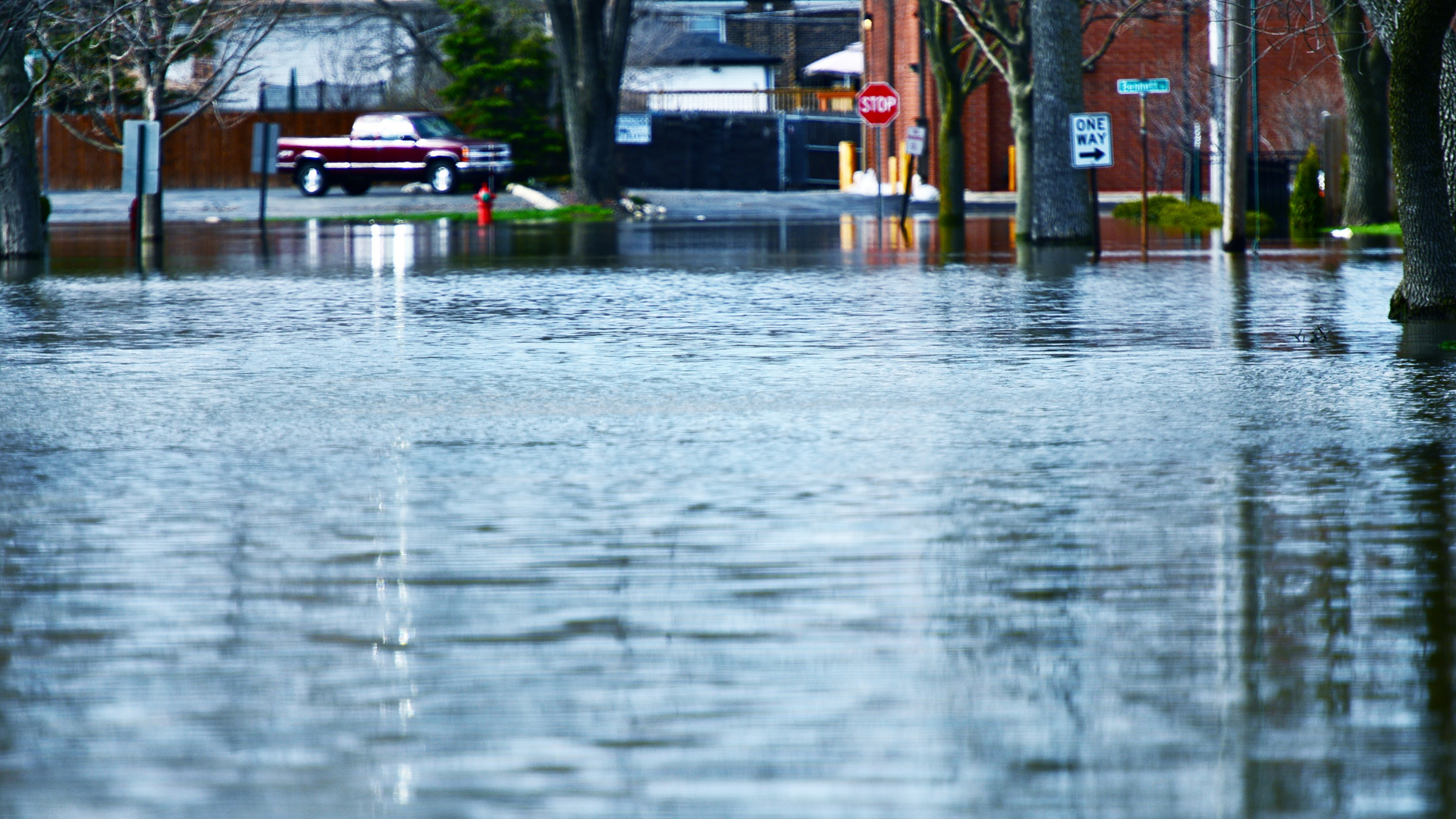
In light of the historic flooding affecting the Pacific Northwest, and our local Whatcom County community, we are taking this opportunity to share local resources for those in need. This episode of flooding has impacted the housing stability of many throughout our community, and having access to the right resources can make all the difference. If you or someone you know has been impacted by this flooding, we hope you’ll find relief through one or more of these resources, and share these options widely.
Included in this article:
Whatcom County Flood Resources for Individuals and Businesses
Whatcom County Flood Resources
Individuals
Whatcom Ready: Whatcom County’s central hub for the Flood Call Center, Damage Assessments, Debris Removal, and more
Whatcom County Resources for Flood Impacted People: Lists of resources for those whose Housing, Basic Needs, Pets and/or Livestock have been impacted by flooding
Whatcom County Public Works – Road Closures & Conditions: Real-time road status to assist with transportation planning
Whatcom County – Emergency Preparedness: Local preparedness resources links
National Weather Service – Flood Watches & Forecasts: Current and predicted river and weather conditions
Whatcom Long Term Recovery Group - Flood Survivor Help Request Form: to help individuals assess next steps after being impacted by a disaster
Whatcom Resources: Up-to-date information on community services and supports available to residents
Cascadia Daily: resource lists for Whatcom and Skagit Counties, including emergency child care, shelter, procuring sandbags, emergency information, and evacuating livestock & animals
Puget Sound Energy: safety and utility information
Avoid downed power lines – Call PSE at 1-888-225-5773 or 911 to report problems
Stay out of flooded basements – electrical wiring and outlets that become submerged under the waterline can be dangerous
Stay safe from carbon monoxide poisoning and use generators safely and responsibly
Businesses & Organizations
WWU Small Business Development Center Flood Recovery: information and resources for small businesses affected by flooding
Support Those Affected
Whatcom Ready: Sign up to volunteer and help your neighbors in need
Whatcom Long Term Recovery Group: register to volunteer for flood relief
Whatcom Community Foundation Resilience Fund: for individuals in need
Whatcom Community Foundation Small Business Recovery Fund: for impacted businesses
El Suenito Brewing Co.: open to donating meals and more to those in need
Rover Stay Over Dog Boarding: emergency boarding room available for pets during evacuations
Addressing the Stress of Natural Disasters
In addition to the physical impacts of a natural disaster there are very real mental, emotional, and interpersonal impacts for those navigating a crisis such as this. In high-stress situations like a flood, there are some simple tools that can help individuals to self-regulate in order to effectively take on tasks that can feel daunting or even insurmountable (including regaining stability in a housing situation). Attending to these stress responses can improve an individual's mental health and ability to move through the situation as positively as is possible.
Taking Care of Your Emotional Health after a Disaster - from the Red Cross of America
Recognize that getting ourselves and our lives back in a routine that is comfortable for us takes time after a disaster.
Take care of your safety first, making sure that the health and safety of you and your family are addressed before anything else. This includes seeking medical attention if needed.
Eat well and get plenty of rest, reminding yourself and those around you that caring for your basic needs and resting will give you a greater capacity to cope with stress and take positive steps forward.
Be patient with yourself and with those around you. Recognize that everyone is stressed and may need some time to put their feelings and thoughts in order.
Mental Health During and After a Flood - from Whatcom County Public Health News
Connect with others. Reach out to family and friends to give and get support.
Avoid exposure to too much news. If you feel overloaded, particularly by seeing images of flood damage, turn off the news or social media. Look for a few reliable sources and stick to those.
Call or text the Disaster Distress Hotline at 1-800-985-5990. This hotline is open 24 hours a day, 7 days a week, and provides crisis counseling and support to people experiencing natural or human-caused disasters.
Be attentive to the needs of kids and teens during a disaster, including establishing routines, letting them ask questions even if you don’t have the answers, and monitoring their distress. If symptoms of stress last for several weeks after the crisis event, that signals it may be time to seek professional help.
Collaboration and Connection in Times of Crisis
At times such as these, we are reminded just how important connections and collaborations are when our community is thrown into crisis. Having a social or family support network can make all the difference, but we know many in our community do not have access to these safety nets. This is especially true when it comes to housing, and finding a safe place to stay if flooding or other disasters have left your home uninhabitable. Even if it is outside of your comfort zone, try one or more of these small actions to foster collaboration and connection:
Share resources: Whether it is an extra bedroom, a few cans of food from your pantry, your time or money, sharing your resources can make a huge difference to those in need.
Don’t be afraid to ask for help: We all know how uncomfortable it can feel to ask for help. We might even feel like we are burdening those around us by asking for what we need. However, by and large this is not the case, and our friends, family, and neighbors are often happy to receive a request for support from someone they care about.
Know your strengths and weaknesses: What special skills or resources do you have to share? Where are there gaps, and how can your connections help to fill those gaps?
Take time to get to know your neighbors: In times of natural emergencies and crises, the people who live close to us may become our default support network. By taking time to reach out to your neighbors (even casually), you are building connections that can make a world of difference when hardship strikes in the future, or as you are mutually recovering from the current fallout of floods.
Are you currently experiencing interpersonal conflict?
As we’ve seen from sources above, natural disasters bring with them a host of social and emotional complexities. Conflict is natural, and in a high stress situation like the floods we are experiencing, it is normal for emotions and reactions to be elevated. In the coming weeks and months, you might find yourself disagreeing with a loved one, a roommate, a neighbor, a tenant, or a landlord about how to move forward with:
Arranging care for children, vulnerable adults, and/or animals
Sharing emergency expenses
Sharing cleanup responsibilities
Making a relocation plan
Adjusting financial plans
If you are experiencing a conflict, our staff may be able to help through mediation, conciliation, and other conflict resolution services.
For conflict within your family, visit: https://www.whatcomdrc.org/family-mediation
If your conflict impacts the stability of your housing, visit: https://www.whatcomdrc.org/housingstability
Or call our office to be directed to the appropriate case manager for your situation: (360) 676-0122